Truck-mounted extractors
100+ GPM extraction; pulls more water in 1 hour than a wet-vac in a day
Standing water removed in hours, not days. Truck-mounted extraction up to 100 GPM.
Water extraction is the first and most time-sensitive phase of any water damage restoration. The goal is simple: pull every drop of standing and absorbed water out of your home before it migrates into wall cavities, subfloors, and structural framing. The IICRC S500 standard requires extraction to begin within hours — not days — of the loss event, because every gallon left behind doubles drying time and dramatically increases mold risk. Professional extraction is dramatically more effective than wet-vacs or mops: a truck-mounted unit can move 100+ gallons per minute and pull water from carpet pad and underlayment that consumer equipment leaves behind.
Restoration work generally follows the same sequence, based on IICRC industry standards.
Thermal imaging cameras and pin/pinless moisture meters identify every wet area — including what's hidden behind walls and under flooring. We document moisture readings room-by-room for your insurance file.
Before extraction, we stop the source: shutting off the supply, capping the line, or installing a temporary patch. No point extracting if the water keeps coming.
100+ GPM truck units pull standing water from hard surfaces and carpet. For Category 3 sewage events, we use submersible trash pumps rated for solids.
Weighted extraction wands and rovers pull water from carpet fibers and pad. If pad is contaminated (Cat 2/3) or saturated beyond drying, we remove and dispose per IICRC protocol.
Wall cavity injection systems and InjectiDry panels pull water from inside walls without unnecessary demolition. Hardwood floor mats extract water from beneath sealed flooring.
Before leaving extraction phase, we verify every reading is below the wet/dry threshold (typically <16% MC for wood, <1% for concrete). Then drying begins.
Photos, moisture readings, equipment placement diagrams, and Xactimate-ready scope sheets — everything your insurance adjuster needs.
What separates restoration from DIY isn't effort — it's equipment. Here's what we bring on every water extraction job.
100+ GPM extraction; pulls more water in 1 hour than a wet-vac in a day
For Category 3 black water with solids and debris
Maximum carpet and pad water removal — operator stands on tool for compression
Dries inside walls without ripping out drywall
Pulls trapped water from below sealed floors via vacuum
Finds hidden wet spots in ceilings and walls invisible to the eye
Quantifies moisture content (MC%) in every material
Tracks humidity and grain depression throughout the dry-down
Most residential water extraction jobs in the United States cost between $1,200 and $5,000 — the variability comes down to water category, square footage affected, and how many materials need to be removed versus dried in place. Clean water (Cat 1) extraction at $0.85–$1.50 per square foot is the lower end; gray water (Cat 2) runs $1.75–$3.00 per square foot due to extra sanitization; black water (Cat 3) sewage extraction starts at $4.50 per square foot because of biohazard PPE, EPA-approved disinfectants, and material disposal requirements. Free written estimate before any work begins.
See full pricing breakdownSudden, accidental water extraction is covered under nearly every standard US homeowners policy (HO-3 form). We bill insurance directly using Xactimate — the same estimating software adjusters use — so claim review is fast and disputes are rare. Most homeowners pay only their deductible. Coverage exclusions you should know: gradual leaks (deemed maintenance), flood from rising surface water (requires NFIP flood policy), and earth movement. We document the cause precisely so the right policy responds and nothing gets denied based on classification.
How we handle your insurance claimMost secondary water damage is preventable. Here are the mistakes we see most often — and what they cost.
Consumer wet-vacs move 1–3 gallons per minute and don't extract carpet pad. By the time you've made progress on the surface, water has already migrated into baseboards and subfloor.
Mold can begin colonizing organic materials within 24 hours of water exposure. Insurance carriers also become more skeptical of secondary damage that occurred 'because the homeowner waited.'
Demo before extraction spreads contamination, and you may demolish material that could have been dried and saved with proper equipment.
Box fans and ceiling fans without dehumidification simply move humid air around — they don't lower the dew point. The wet stays wet, just spread further.
No photos, no readings, no diagrams — and your insurance claim becomes an uphill fight. Document EVERYTHING from minute one, even before extraction starts.
The first 24–48 hours after a water loss are the difference between a $5,000 dry-down and a $50,000 reconstruction. Wood subfloors begin to swell within 4 hours. Drywall starts to delaminate within 8–12 hours. Mold begins colonizing at 24–48 hours under typical indoor conditions. Hardwood floors cup within 36 hours. Metal fasteners corrode and stain wood by 72 hours. Every hour you wait compounds the damage exponentially — and most of that secondary damage is preventable with proper extraction in the first window.
Free, no-obligation inspection. We document everything, bill insurance directly, and never charge for the assessment — even if you choose not to proceed.
Drag each slider to see what a completed restoration can look like. These are AI-generated illustrations, not photos of actual customer projects.
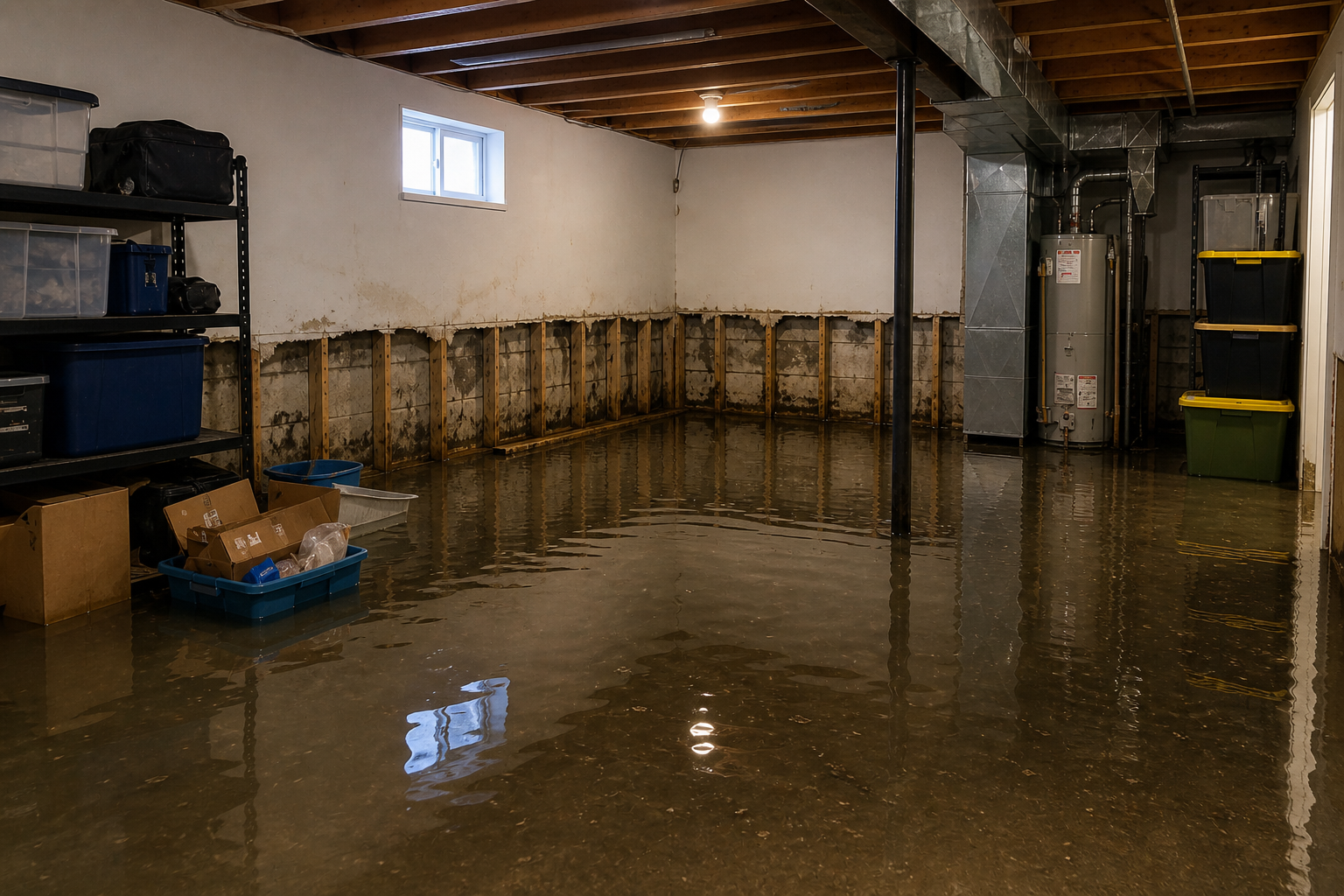
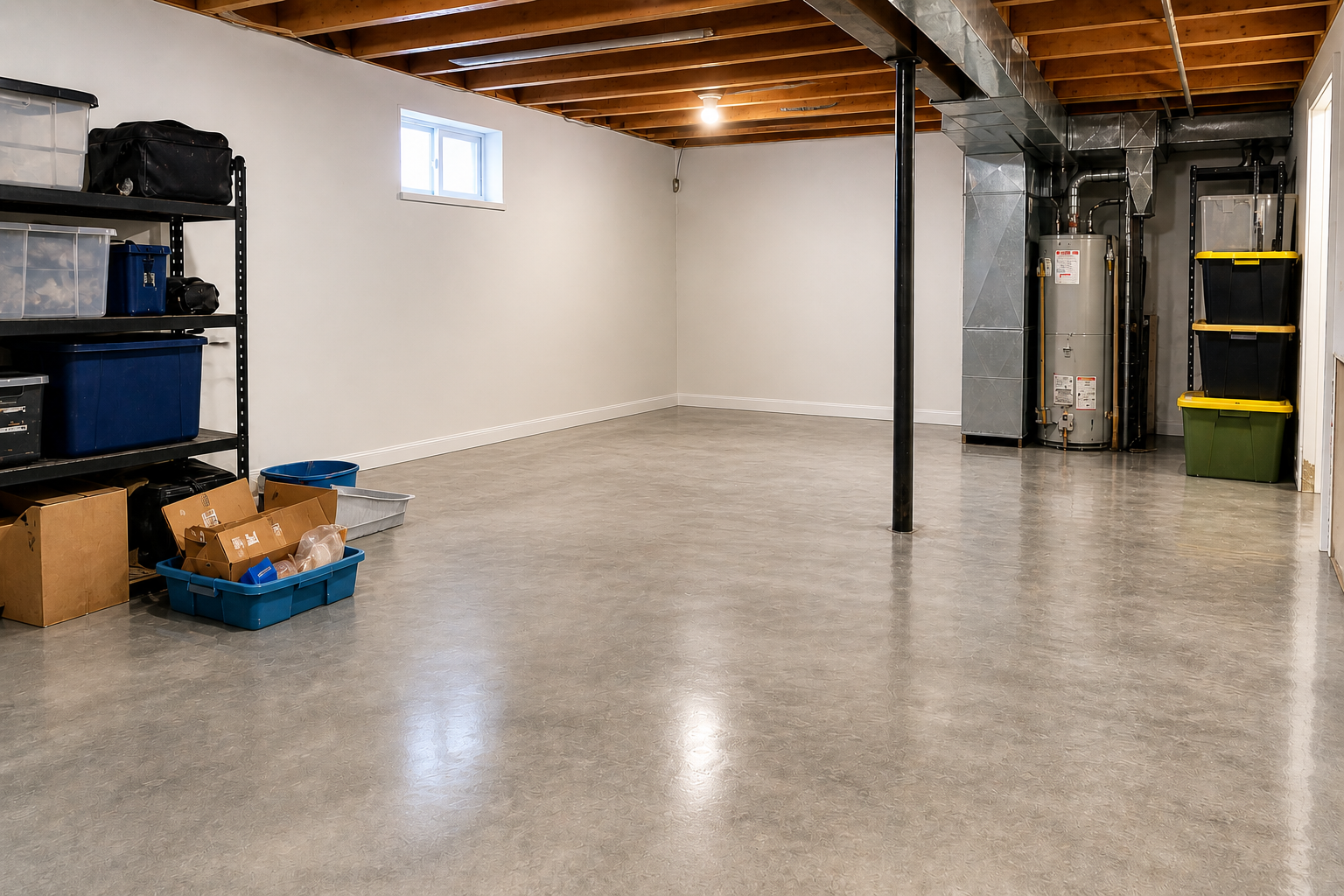
AI-generated – not an actual customer project. Shows what a result may look like.
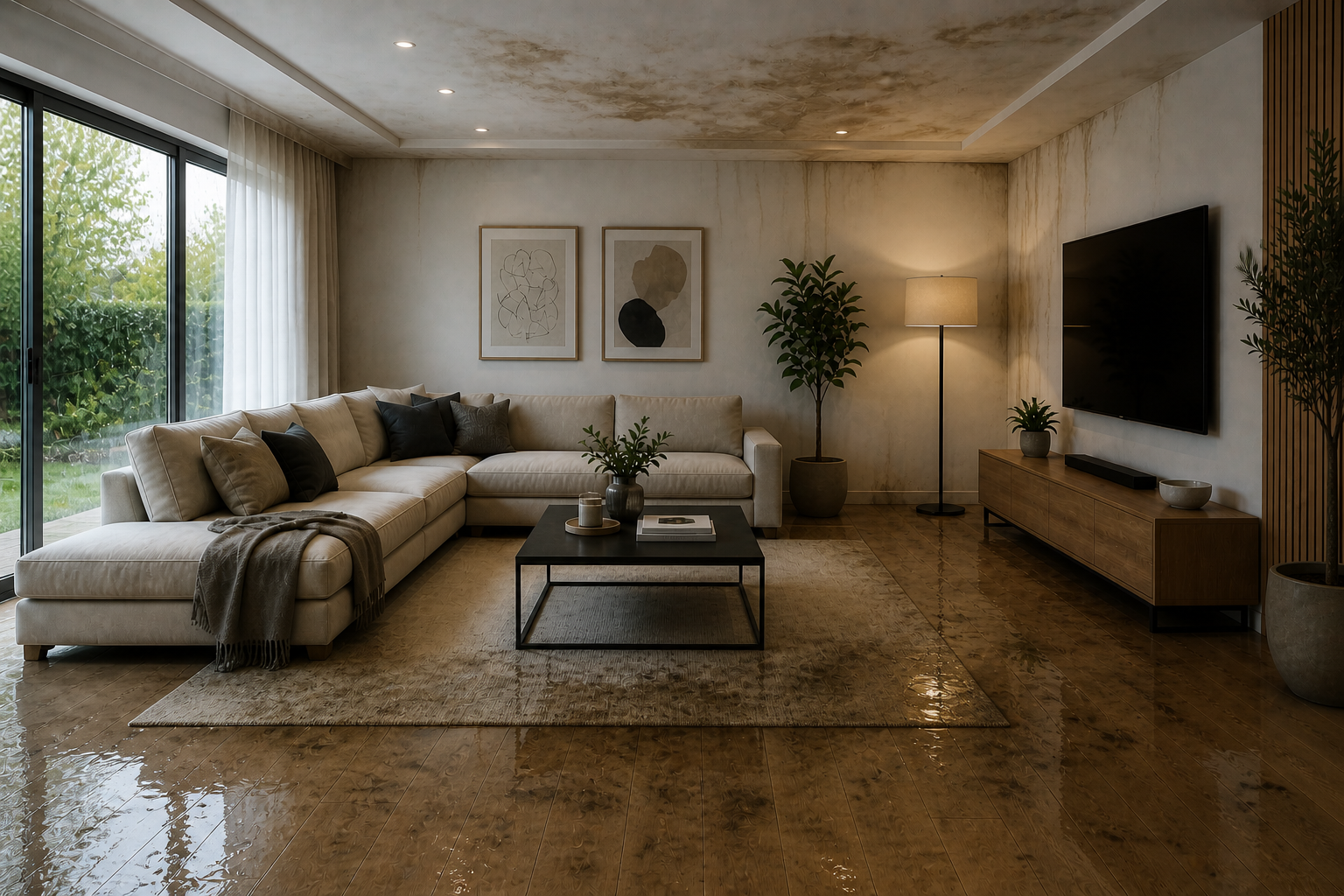
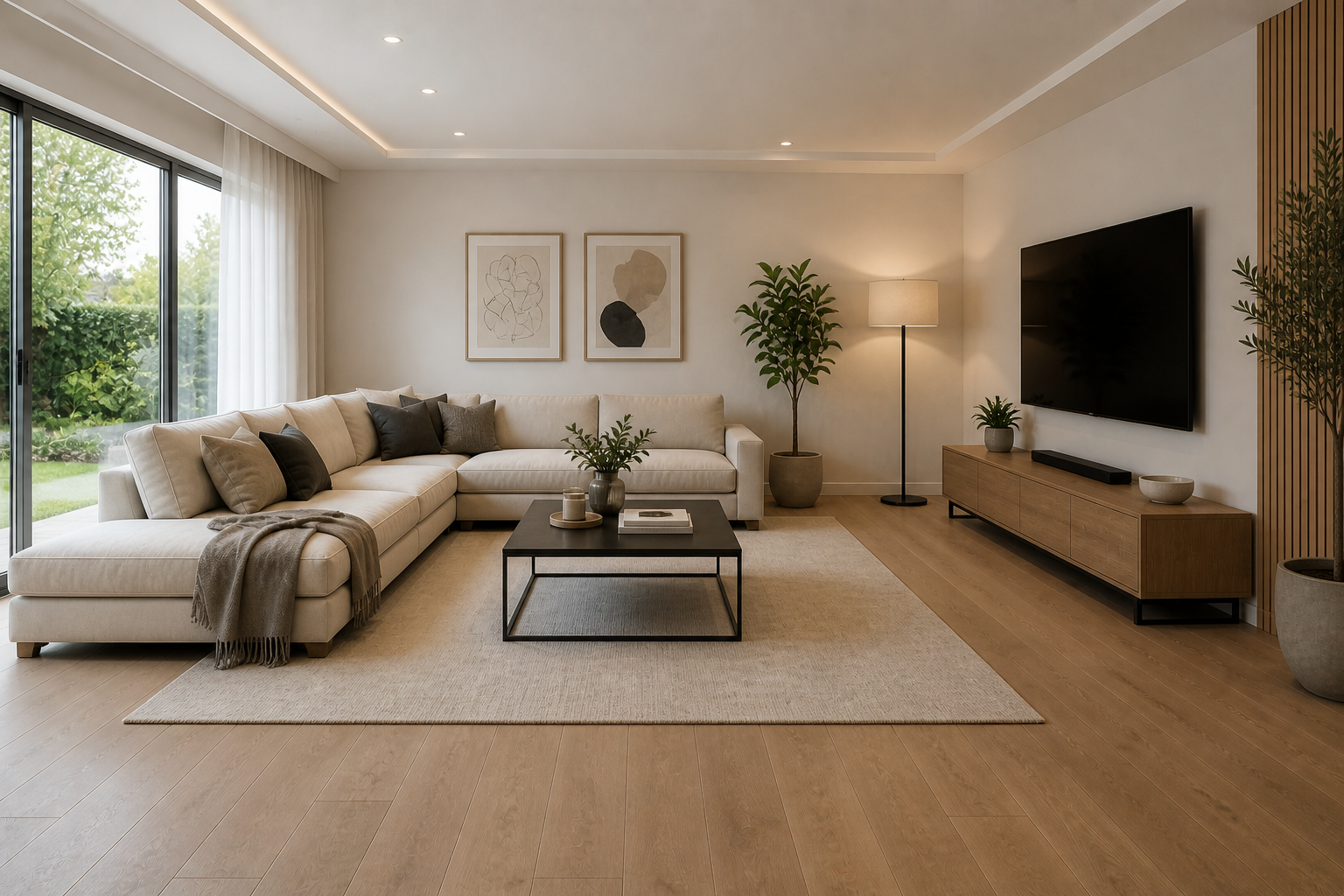
AI-generated – not an actual customer project. Shows what a result may look like.
Water damage doubles in cost every hour. Mold starts in 24. Call now — free inspection, fast response, insurance handled.