Truck-mounted extractors (100+ GPM)
Mass water removal from flooded areas
Hurricane to hailstorm — tarp-up, dry-out, full reconstruction. One team, end-to-end.
Storm damage restoration is the comprehensive process of returning a storm-impacted home to pre-loss condition — covering everything from emergency board-up and roof tarping in the first hours, through water extraction and structural drying in the first week, to full reconstruction (drywall, flooring, paint, cabinets) in the weeks that follow. Storm losses are uniquely complex because they often combine multiple covered perils: wind damage (covered by HO policy), water damage (covered subject to cause), and rising-water flood damage (covered only by separate NFIP flood policy). Proper documentation and cause-classification protects your claim from being unfairly reduced.
Restoration work generally follows the same sequence, based on IICRC industry standards.
Roof tarping, window board-up, debris removal, and immediate water extraction to stop further damage. Photos and inventory documentation begin here.
We help you file the claim within the policy's notice deadline (usually 24–72 hours for hurricanes). Adjuster meeting coordinated for the next phase.
Roof inspection (drone + on-roof), interior moisture mapping, electrical and HVAC integrity check, structural review. Each cause classified per policy.
Truck-mounted extraction of all standing water. Containment to limit drying chambers. Cat 1 vs. Cat 3 classification critical for storm-flood mixed losses.
LGR or desiccant dehumidification depending on humidity levels (Florida summer post-hurricane often requires desiccants). Daily monitoring through dry-down.
Antimicrobial treatment on every affected surface. Visible mold (common in storm losses with delayed response) remediated per IICRC S520.
Drywall, insulation, flooring, cabinets, painting, trim — restored to pre-loss appearance. Roof repair coordinated with licensed roofers.
What separates restoration from DIY isn't effort — it's equipment. Here's what we bring on every storm damage restoration job.
Mass water removal from flooded areas
Power and pumping when grid is down
Prevents further water intrusion within the first 24 hours
Safe inspection of damaged roofs without ladder risk
Effective in high-humidity post-hurricane environments where LGRs struggle
Air quality control during demolition and drying
Detects hidden water in roofs, walls, and ceilings
Insurance-grade scope and pricing documentation
Storm damage restoration costs vary enormously with severity. Minor storm water damage (small roof leak, contained) runs $2,500–$8,000. Moderate damage (hurricane-related, multi-room) runs $15,000–$40,000. Severe damage (major hurricane, multiple homes per crew) often exceeds $75,000 with full reconstruction. Wind-driven damage is typically subject to a separate hurricane deductible (1–5% of dwelling coverage in coastal states), and rising-water flooding is only covered if you carry NFIP or private flood. We help you navigate which damage falls under which deductible.
See full pricing breakdownStorm damage involves multiple coverages: dwelling (HO-3), wind/hurricane (often higher deductible), flood (separate NFIP or private flood policy), and additional living expenses (ALE) when displaced. We classify each damaged area by cause — wind-driven rain through roof = covered under HO; rising water from street = NFIP; falling tree on house = HO. Proper classification can save thousands in deductible exposure. We work directly with adjusters from State Farm, Allstate, Citizens (Florida), Liberty Mutual, USAA, and others.
How we handle your insurance claimMost secondary water damage is preventable. Here are the mistakes we see most often — and what they cost.
Insurance policies require you to mitigate further damage immediately. Waiting 5 days for an adjuster while your roof leaks is a coverage reducer. Always tarp/board-up first, document second, then meet the adjuster.
Misclassifying cause can deny coverage entirely. NFIP doesn't pay for wind-driven rain through a damaged roof — that's HO. Get the cause right or risk the whole claim.
Post-hurricane, fly-by-night contractors flood disaster zones — take deposits, do shoddy work, then disappear. Verify state contractor license and physical local presence.
First-offer settlements after major storms often underestimate hidden damage discovered later (mold, structural). Ensure your scope includes a re-inspection allowance before signing.
Florida and Gulf Coast humidity make 24–48 hour mold colonization the norm. Antimicrobial treatment is essential, not optional.
Storm losses compound exponentially — every additional hour of water exposure means more drywall replaced, more framing rotted, more mold to remediate. The first 24 hours of emergency mitigation determines whether your loss is $20,000 or $200,000. Insurance carriers also expect prompt mitigation; failure to mitigate is a common reason for claim reductions.
Free, no-obligation inspection. We document everything, bill insurance directly, and never charge for the assessment — even if you choose not to proceed.
Drag each slider to see what a completed restoration can look like. These are AI-generated illustrations, not photos of actual customer projects.
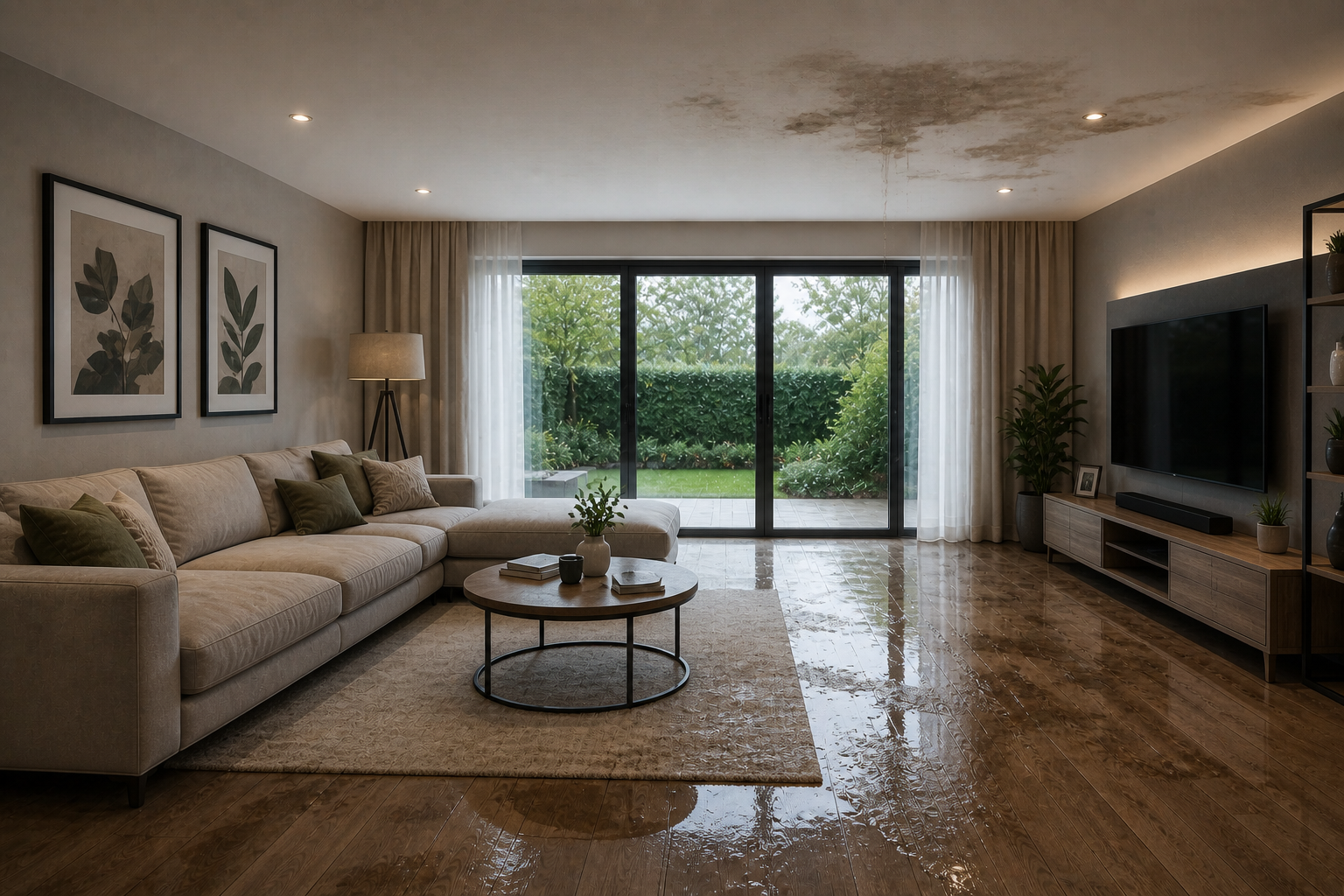

AI-generated – not an actual customer project. Shows what a result may look like.
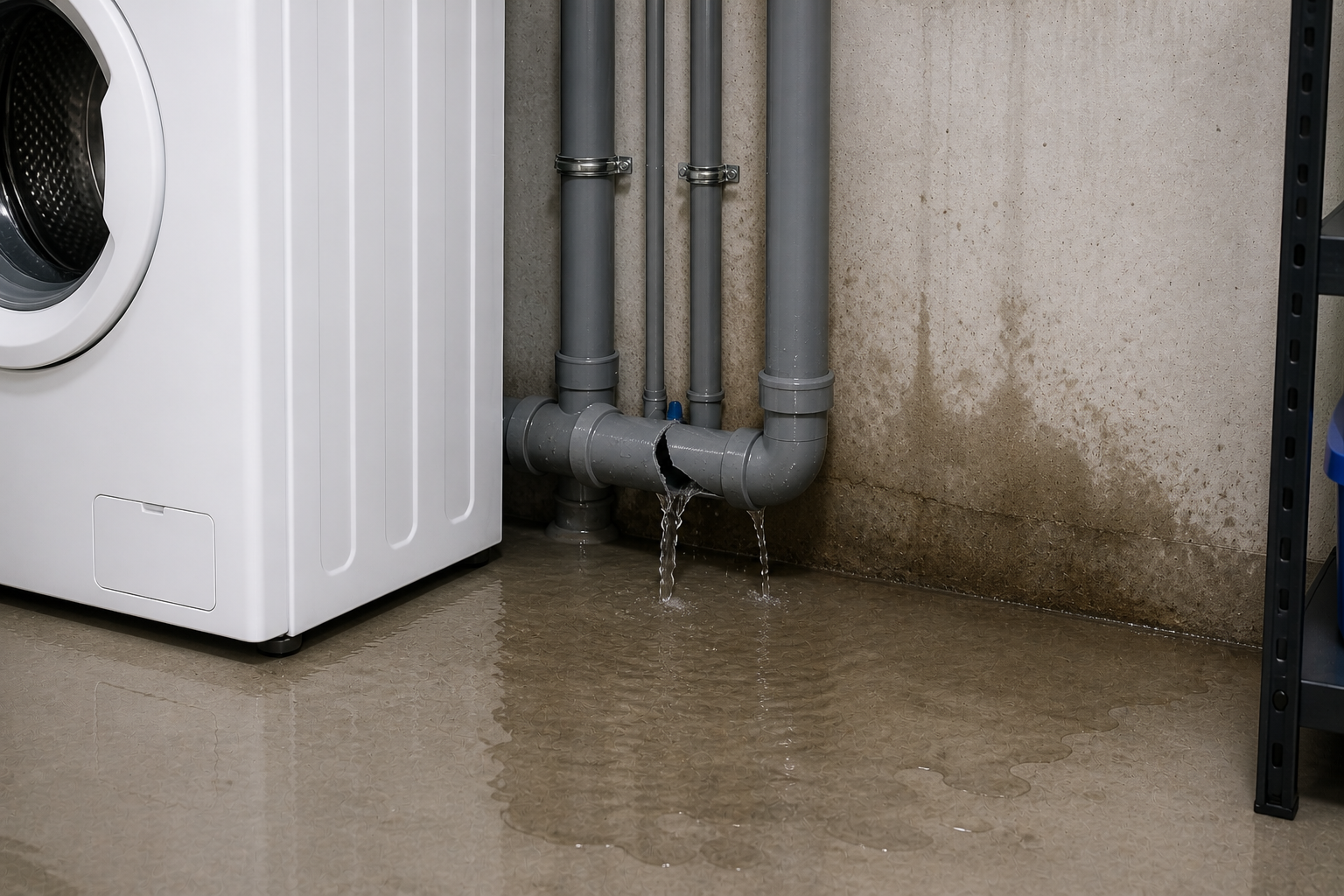
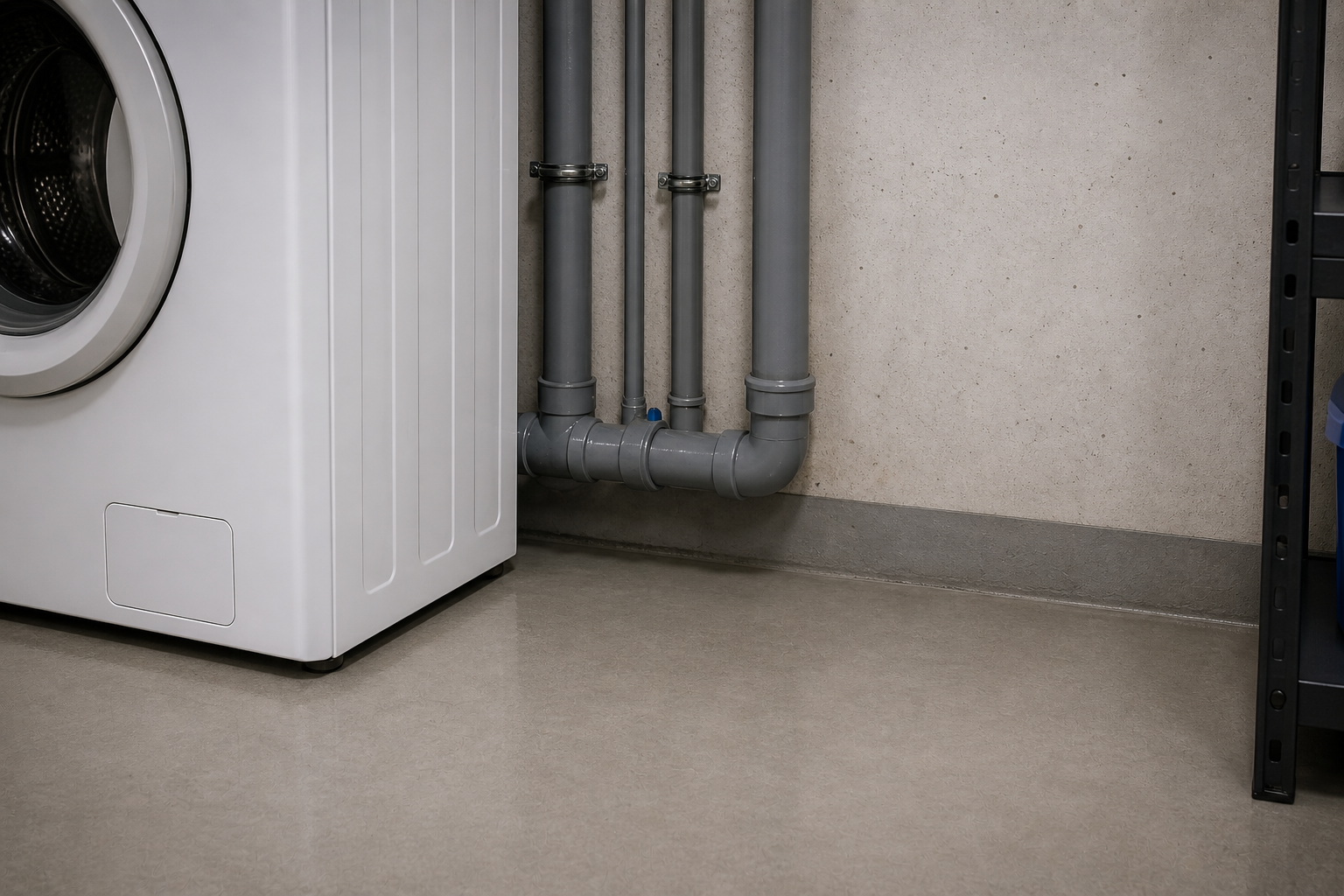
AI-generated – not an actual customer project. Shows what a result may look like.
Water damage doubles in cost every hour. Mold starts in 24. Call now — free inspection, fast response, insurance handled.