HEPA negative-air machines
Creates negative pressure containment; filters 99.97% of spores ≥0.3 microns
IICRC S520 protocols. HEPA-filtered containment. Mold stopped at the source — not just covered up.
Mold prevention and remediation is the discipline of stopping fungal growth before it starts and removing it safely when it has already established. Mold spores are present in every American home — what matters is moisture. Given moisture, an organic food source (drywall paper, wood, insulation), and 24–48 hours, common species like Stachybotrys (the so-called black mold), Aspergillus, and Penicillium colonize and produce the airborne spores responsible for respiratory issues, allergic reactions, and structural damage. Prevention focuses on rapid drying and antimicrobial application; remediation, when needed, follows the IICRC S520 standard for containment, removal, and clearance.
Restoration work generally follows the same sequence, based on IICRC industry standards.
Visual inspection plus air sampling and surface samples sent to an accredited lab. We identify species and quantify spore counts indoor vs. outdoor — establishing baseline and target.
6-mil polyethylene barriers with zipper entries seal the work area. Negative-pressure HEPA air scrubbers (Aerus, BlueDri) prevent spore migration into clean parts of your home.
Crews wear Tyvek suits, half-face P100 respirators, and disposable gloves. For Condition 3 mold (heavy growth) we upgrade to full-face PAPRs.
Drywall, carpet, insulation, and other porous materials with mold growth are cut out, double-bagged, and disposed as contaminated waste. Studs and structural framing are typically cleaned and treated, not removed.
All remaining surfaces are HEPA-vacuumed (true HEPA, 99.97% at 0.3μm) and wire-brushed where needed. Surfaces are wiped with EPA-registered antimicrobial cleaners.
EPA-registered disinfectants (Concrobium, Benefect, Microban) applied to all contained surfaces. For cellulose-rich materials, encapsulants seal residual hyphae.
Independent third-party industrial hygienist (IH) re-tests post-remediation. Spore counts must be below outdoor baseline before containment is broken.
What separates restoration from DIY isn't effort — it's equipment. Here's what we bring on every mold prevention & remediation job.
Creates negative pressure containment; filters 99.97% of spores ≥0.3 microns
Final surface cleaning; consumer vacuums spread spores
Pre/post sampling for lab analysis (Air-O-Cell, BAU)
Surface sampling and rapid contamination indication
Kills mold without harsh chemicals or VOCs
Seals work zone from clean spaces
Worker protection per OSHA mold guidance
Seals porous materials post-remediation
Mold remediation costs vary widely by extent. A small, contained patch under a kitchen sink runs $500–$1,500. A bathroom-wide remediation with drywall removal averages $2,000–$5,000. Whole-basement remediation with HVAC cleaning typically runs $8,000–$20,000. Severe attic mold (often from inadequate ventilation) can exceed $10,000 because of access difficulty. Costs include containment, PPE, removal, antimicrobial application, and post-remediation testing — most insurance carriers require a third-party clearance test, which we coordinate.
See full pricing breakdownMold coverage under homeowners insurance is one of the most contentious areas in claims. Most policies cover mold only when it results from a covered water loss — and even then, often with a sublimit of $5,000–$10,000. Mold from gradual leaks, condensation, or maintenance neglect is typically excluded. We document the water source carefully so the right policy provision responds. In states like California and Texas, additional mold endorsements are available — and worth carrying given the climate. We also coordinate with public adjusters when claims exceed sublimits.
How we handle your insurance claimMost secondary water damage is preventable. Here are the mistakes we see most often — and what they cost.
Bleach is mostly water — and the water feeds mold while the bleach kills only surface spores. Within weeks, growth resumes from hyphae below the surface. EPA does not recommend bleach for porous material remediation.
Without negative-pressure containment, the demolition phase scatters millions of spores throughout your home — turning a 50 sq ft problem into a whole-house contamination.
Encapsulant paints (Kilz, Zinsser) only seal what's directly underneath. Hyphae continue growing inside the substrate; within 6–12 months the new paint blisters and mold returns more severe.
Without independent post-remediation testing, you don't know if the work succeeded — and your insurance may refuse to pay the final invoice. Always insist on third-party clearance.
Mold is a symptom, not a disease. Remediating without locating and fixing the moisture source guarantees recurrence within 6–18 months.
Mold establishes in 24–48 hours under typical indoor conditions (70°F, 60%+ humidity). Once established, hyphae penetrate porous materials and spore production begins — turning a contained problem into a whole-home air quality issue within weeks. Health effects (asthma, allergies, respiratory infections) typically appear after 30–90 days of exposure. Acting in the first week of exposure usually means cleaning; acting after a month often means demolition and rebuild.
Free, no-obligation inspection. We document everything, bill insurance directly, and never charge for the assessment — even if you choose not to proceed.
Drag each slider to see what a completed restoration can look like. These are AI-generated illustrations, not photos of actual customer projects.
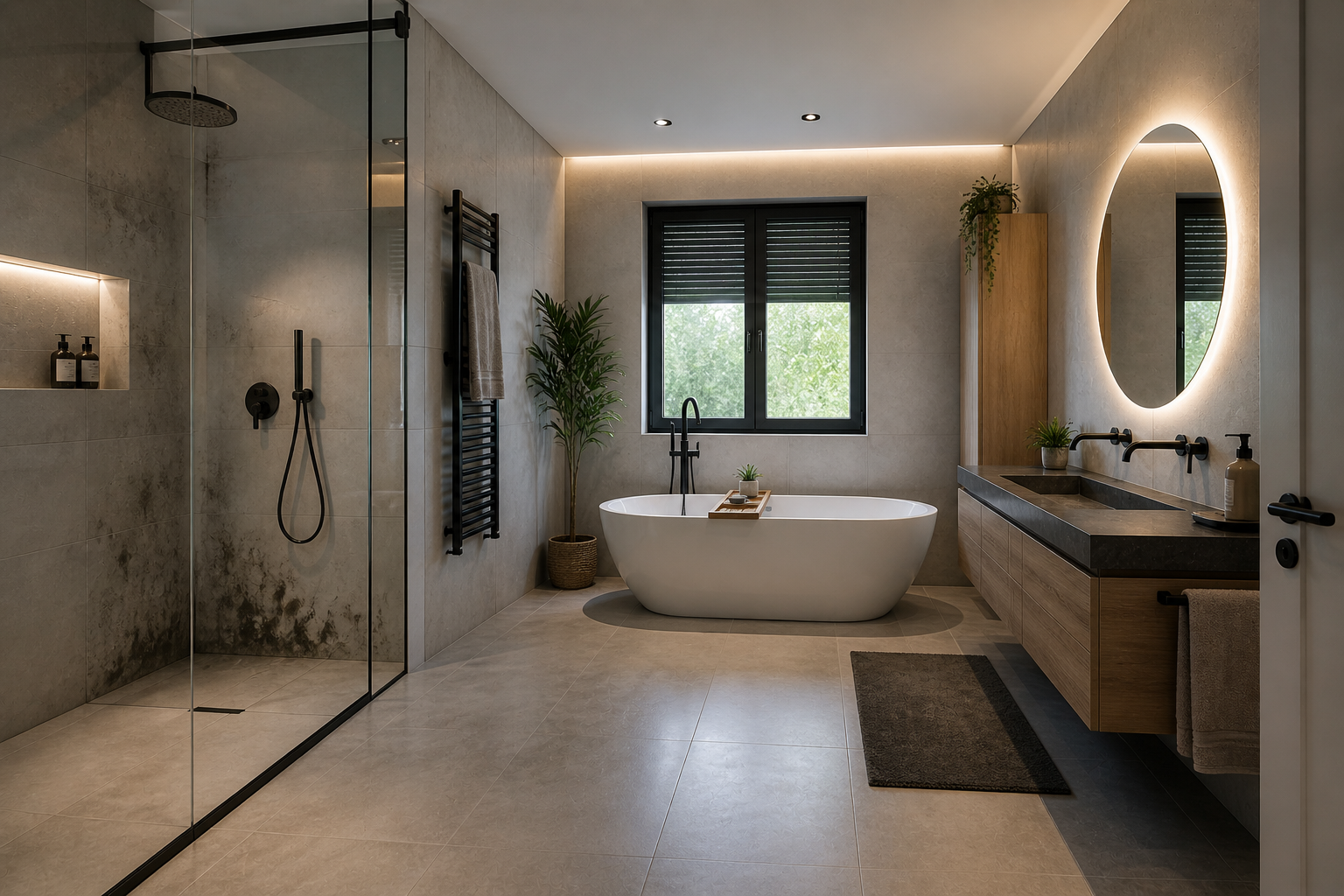
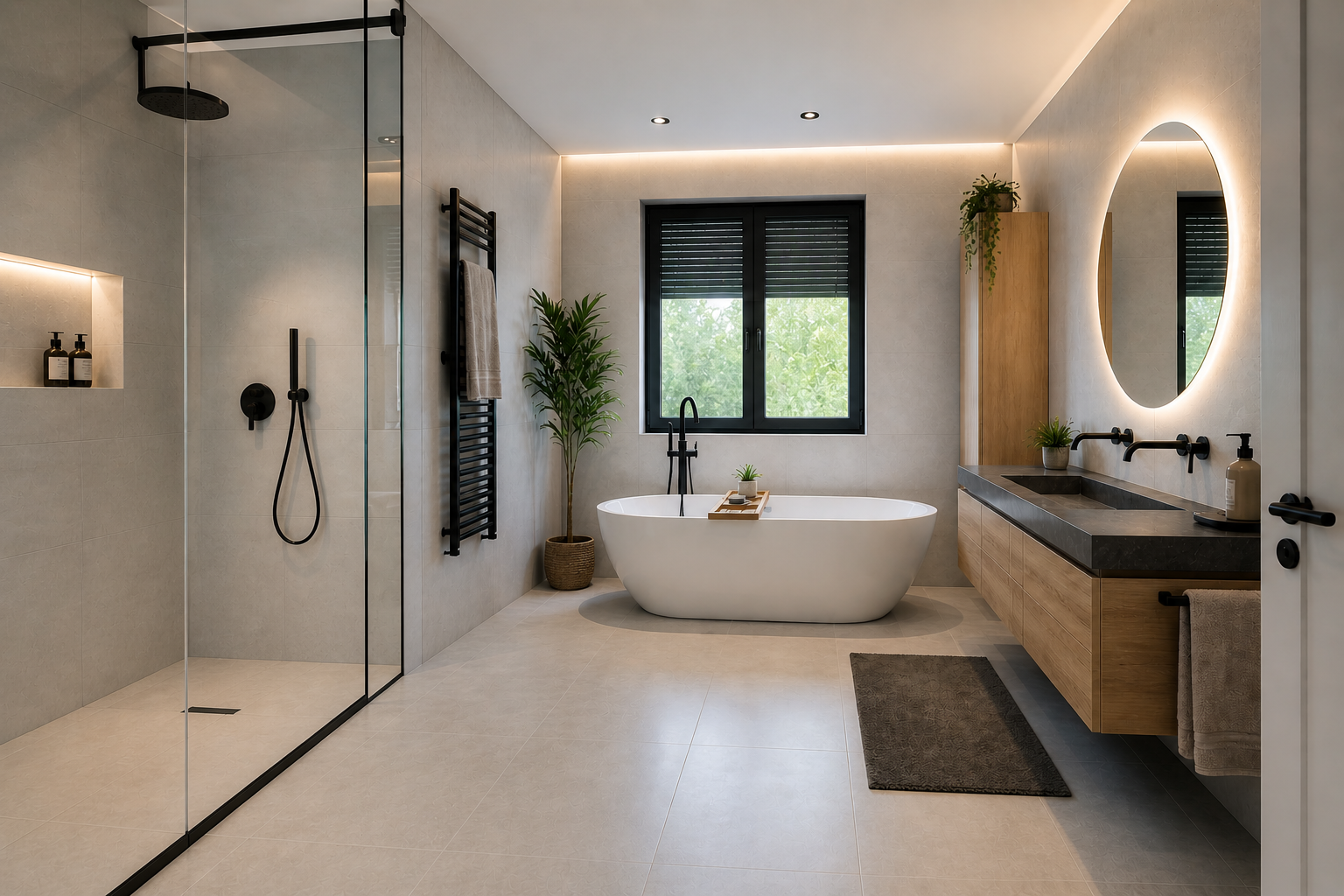
AI-generated – not an actual customer project. Shows what a result may look like.
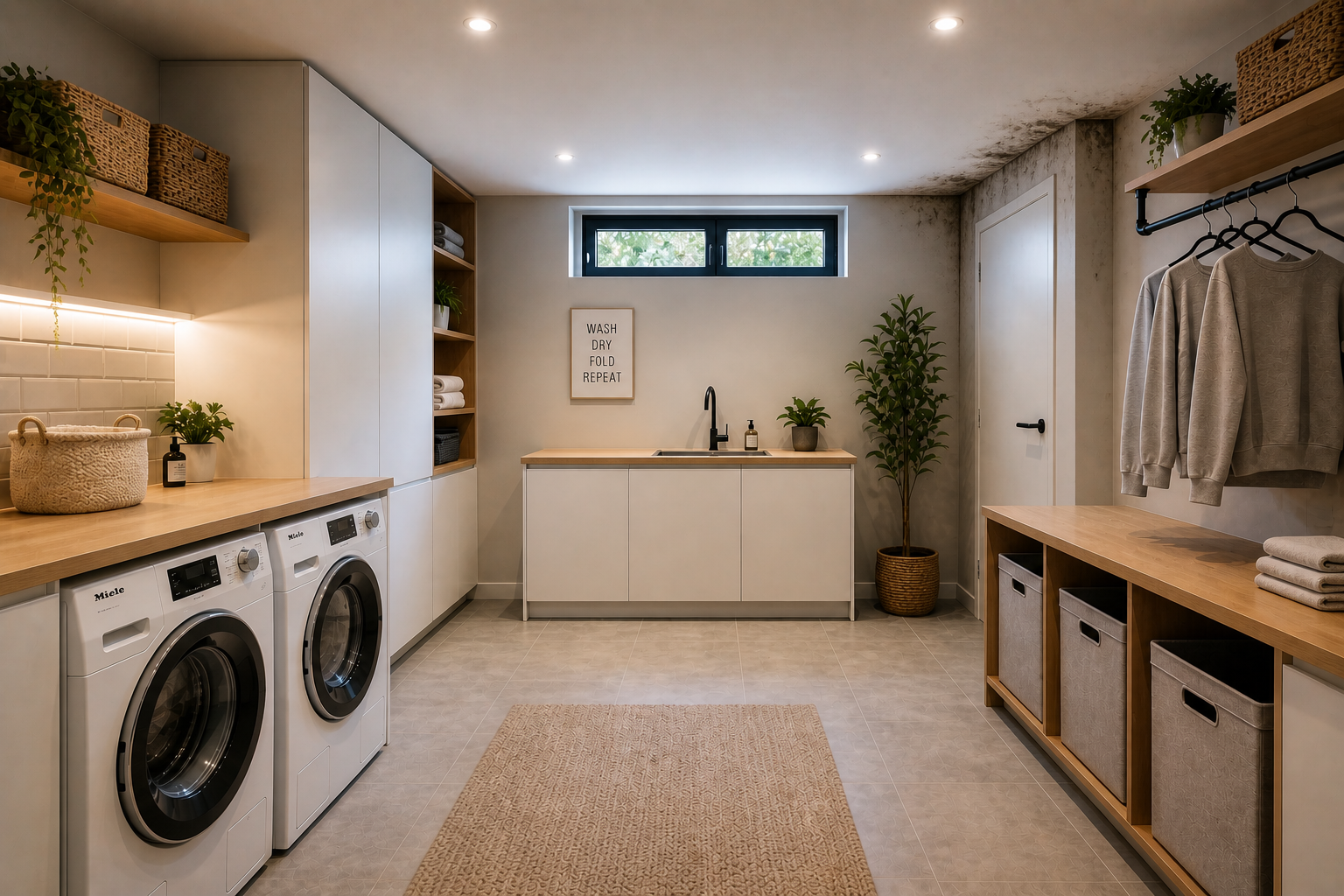
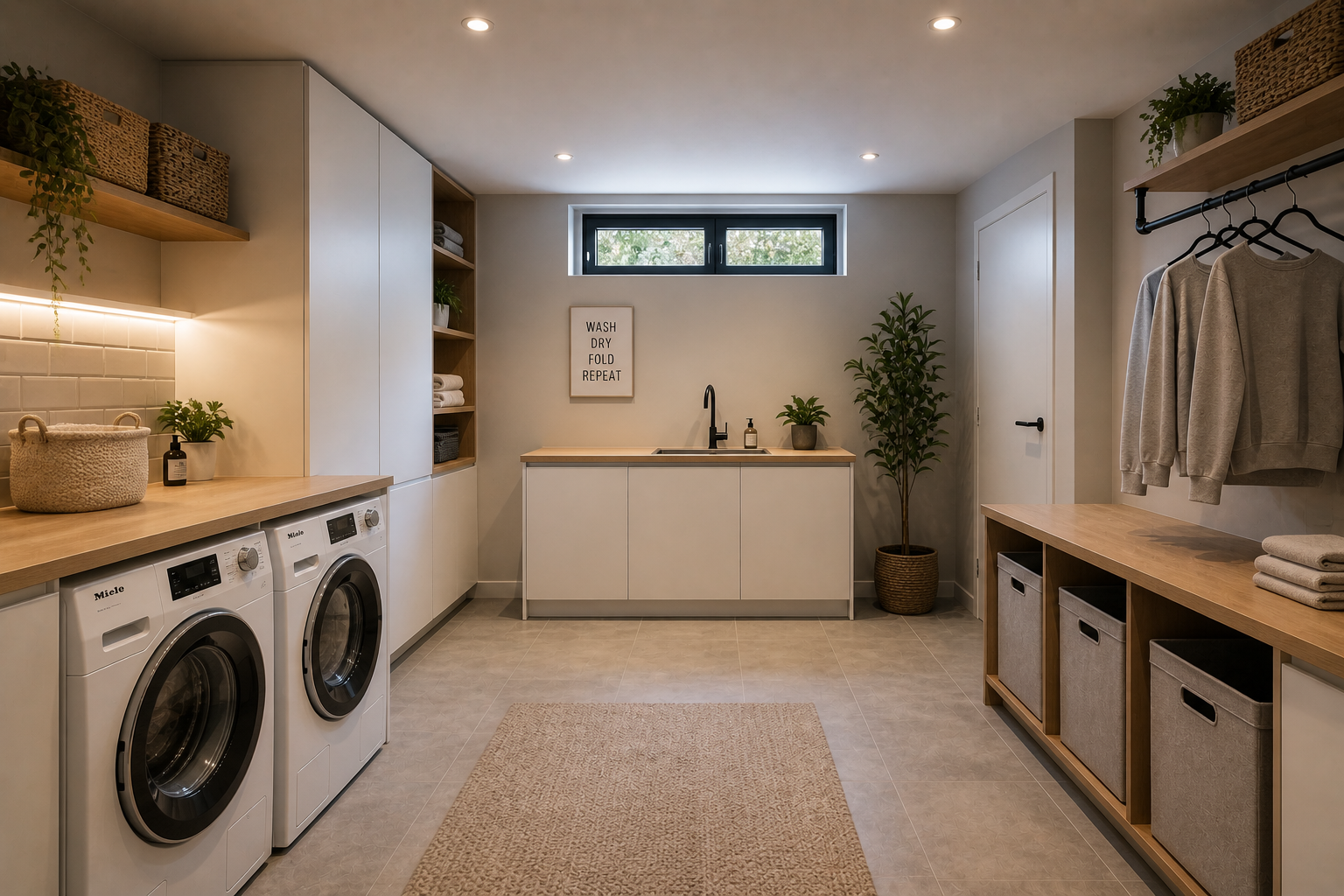
AI-generated – not an actual customer project. Shows what a result may look like.
Water damage doubles in cost every hour. Mold starts in 24. Call now — free inspection, fast response, insurance handled.